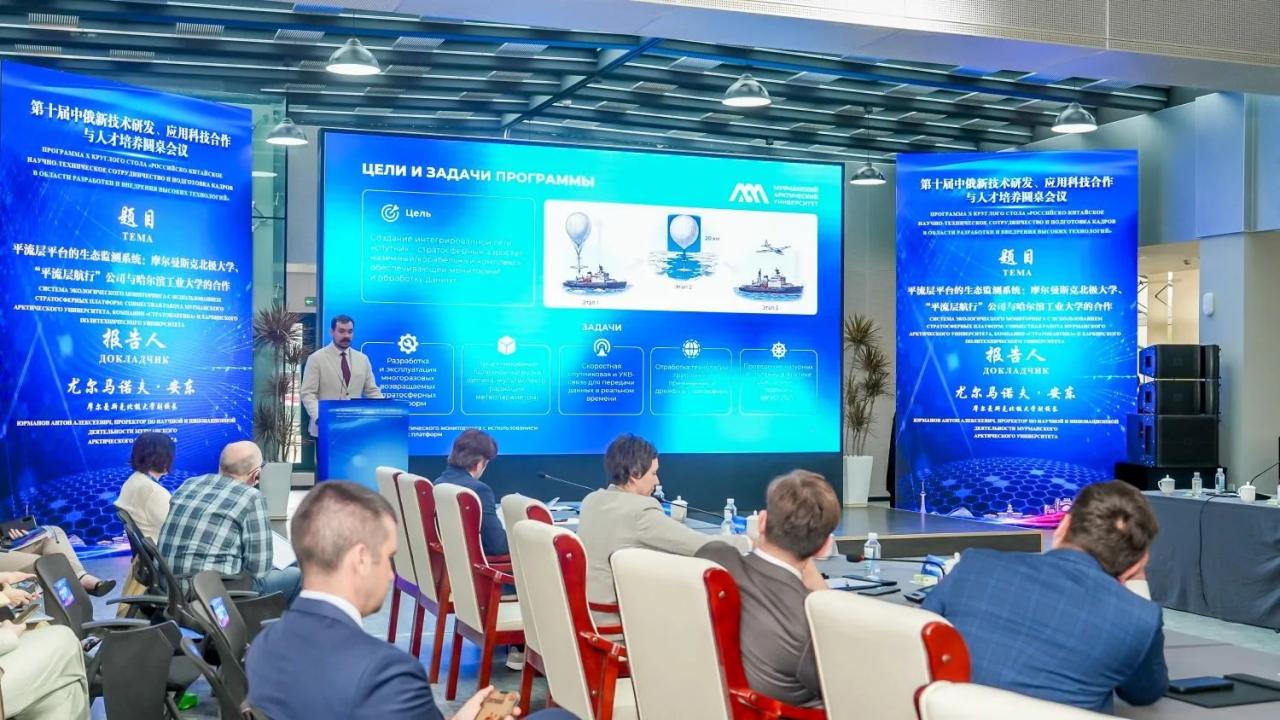
MAU Vice-Rector Anton Iurmanov Presented an Innovative Stratospheric Monitoring Project at the Russia-China EXPO in Harbin
- 22.05.2026
 34
34
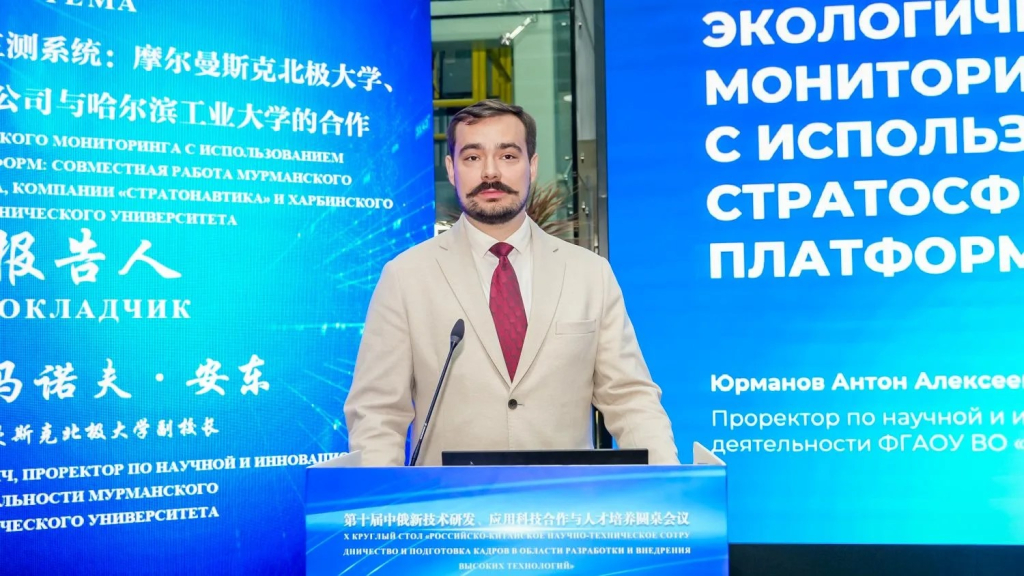
The Round Table «Russia-China Scientific and Technical Cooperation and Training in the Field of High Technology Development and Implementation» was held as part of the 10th Russia-China EXPO (Harbin, China). One of the key speakers from the Russian side was Anton Iurmanov, Vice-Rector for Research and Innovation at Murmansk Arctic University.
In his presentation «Environmental Monitoring System Using Stratospheric Platforms», Mr. Iurmanov introduced the concept of a large-scale joint project between MAU, the Stratonavtika Aerospace Laboratory and Harbin Institute of Technology (HIT). The presentation focused on the development, together with HIT School of Astronautics, of an advanced monitoring system capable of operating in harsh climatic conditions, including the Arctic zone.
This was the second stage of negotiations on this initiative. Earlier, in April, during a roundtable at HIT School of Astronautics with the Stratonavtika Aerospace Laboratory, the concept of a stratospheric platform was developed, and preparations began for signing a cooperation agreement between MAU and Harbin Institute of Technology. The goal is to conduct field trials in the Arctic later this year.
«The parties recognize that combining HIT's engineering and technical expertise with MAU's competencies in Arctic research and innovation will allow them to join forces in achieving ambitious goals for the sustainable development of the Arctic,» the participants noted.
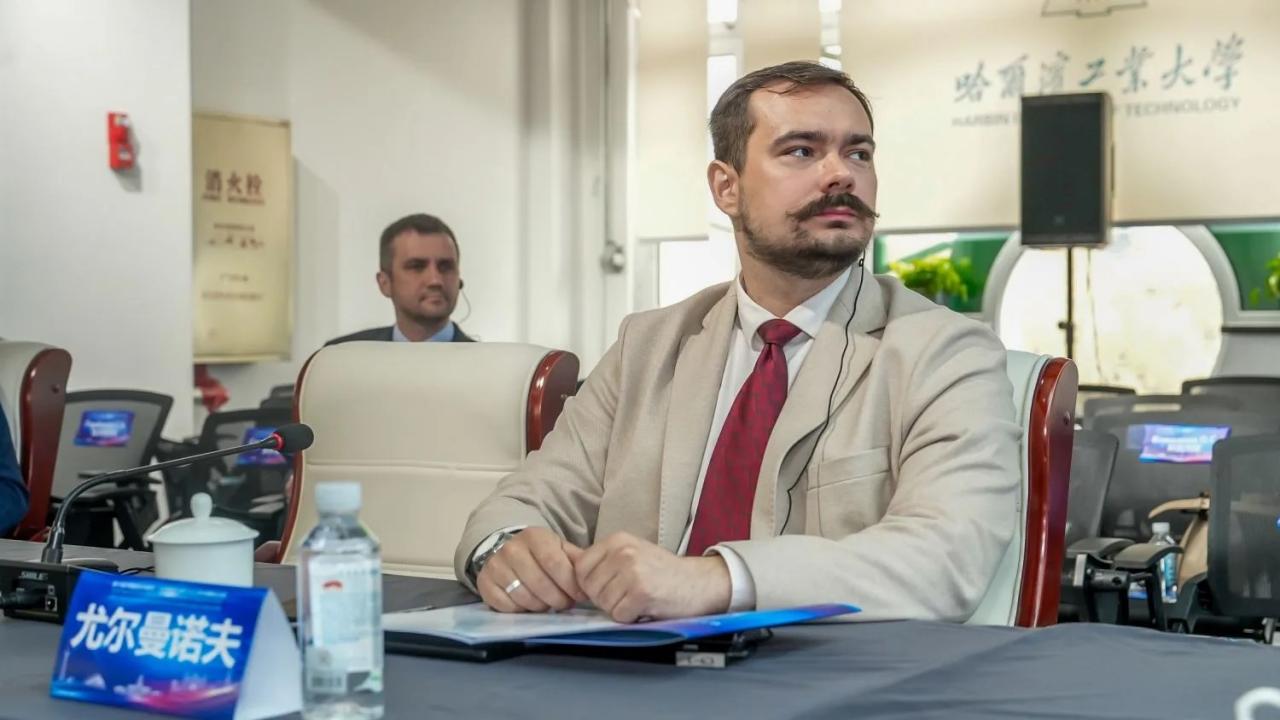
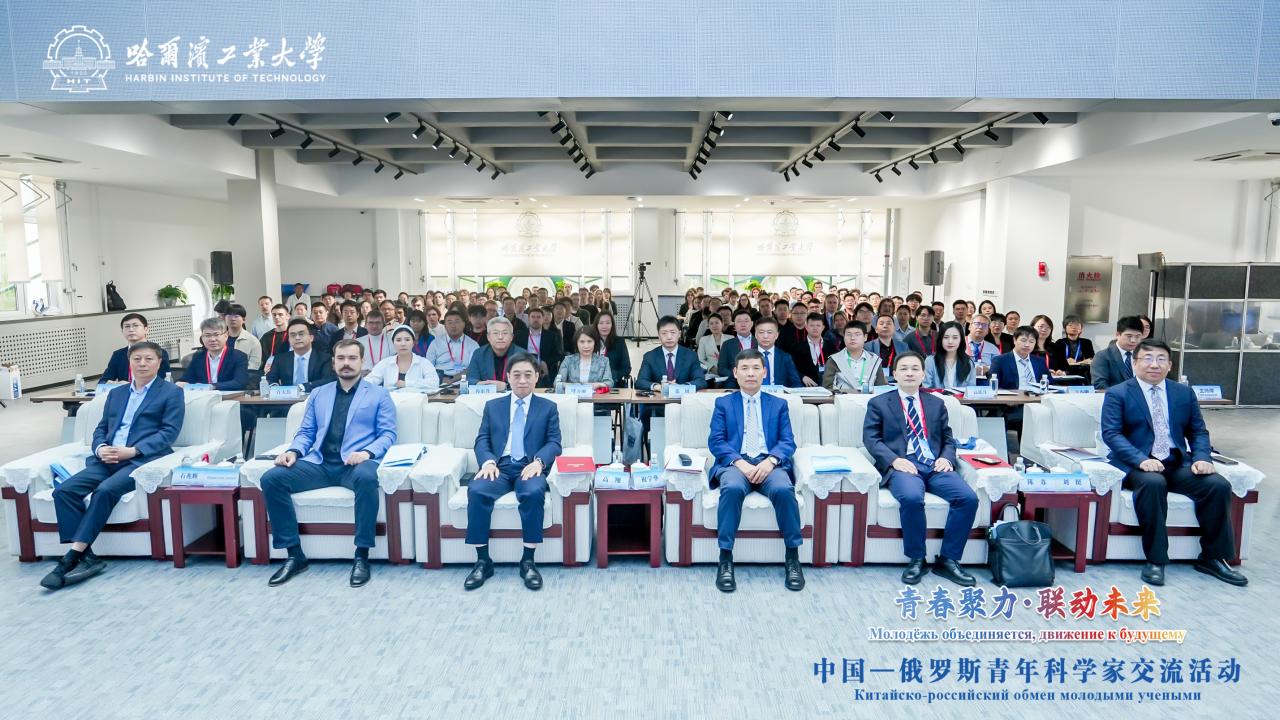
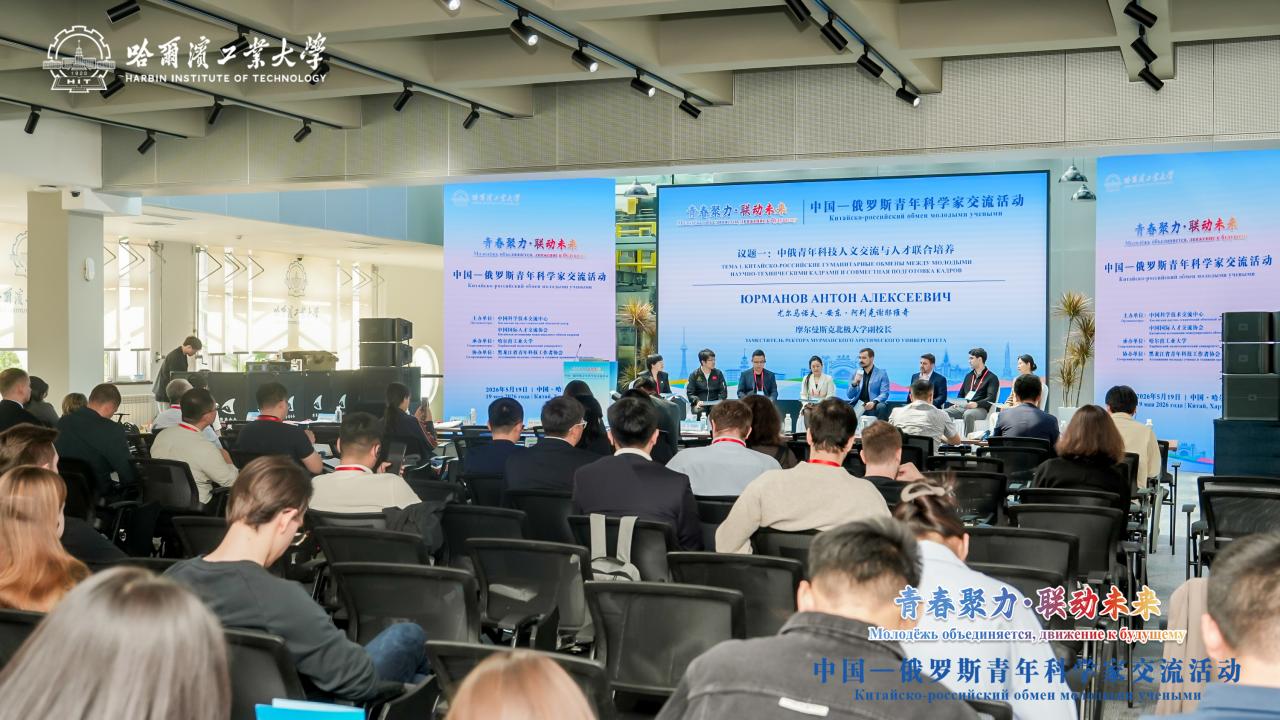
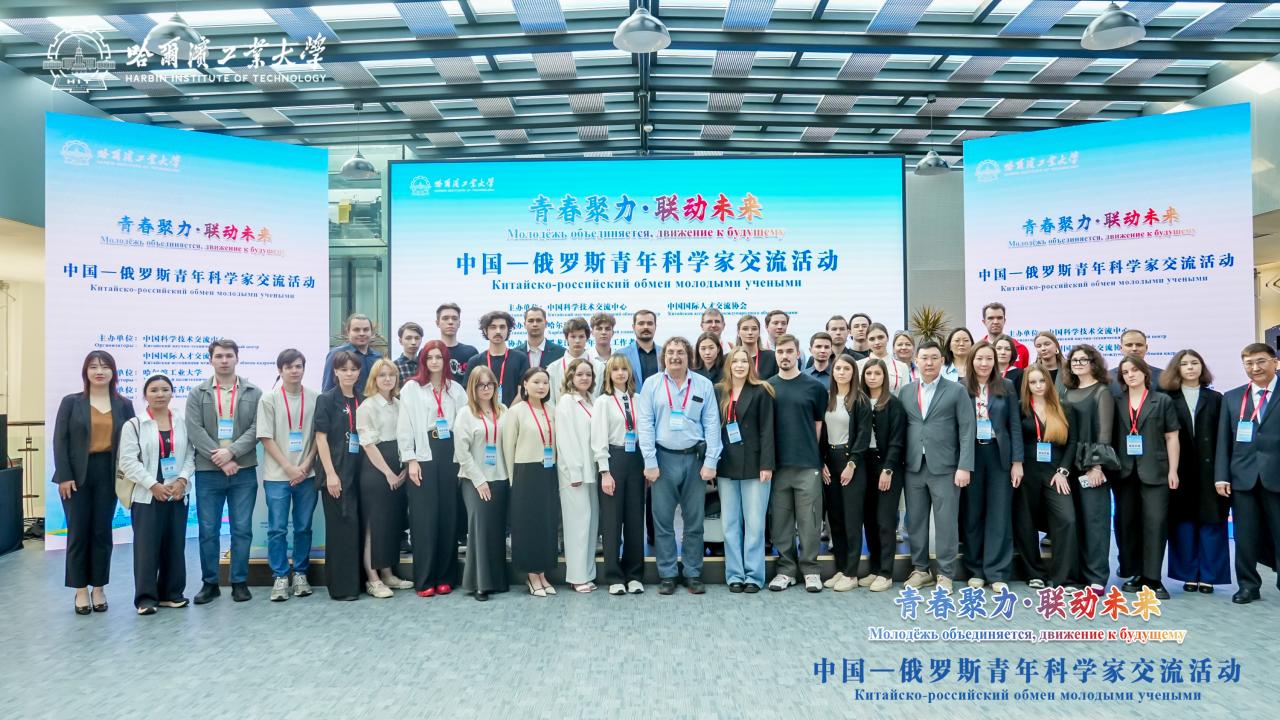
Anton Iurmanov also took part in the China-Russia Young Scientists Exchange Event as part of the EXPO program. The parties are considering the creation of a permanent platform for organizing joint conferences, seminars, expeditions, research programs, and internships to facilitate experience exchange in support of the development of the Russian Arctic Zone. Interest in launching joint work has already been expressed by HIT's School of Ecology, which hosted the Russian delegation. The ecologists from Harbin are particularly interested in Murmansk Arctic University's expertise in technospheric safety — a topic that became a focus of discussion for future collaborative efforts.