Arctic Research Nexus: Science Attaché from Embassy of India Explores MAU's Scientific Potential
- 08.06.2026
 33
33
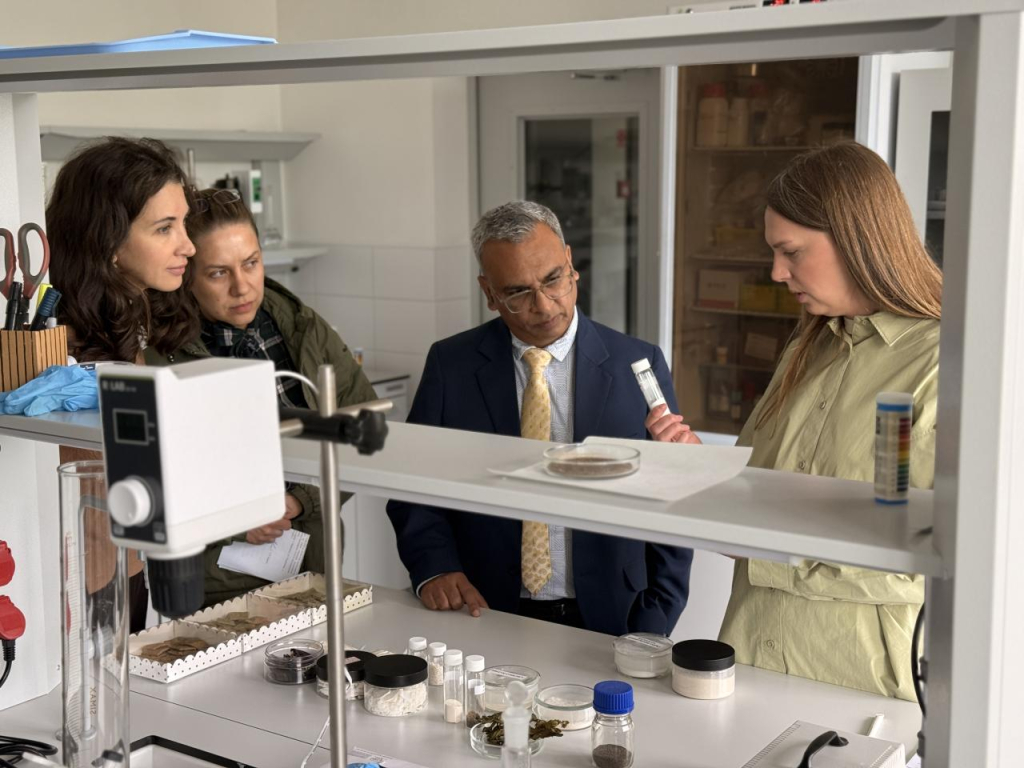
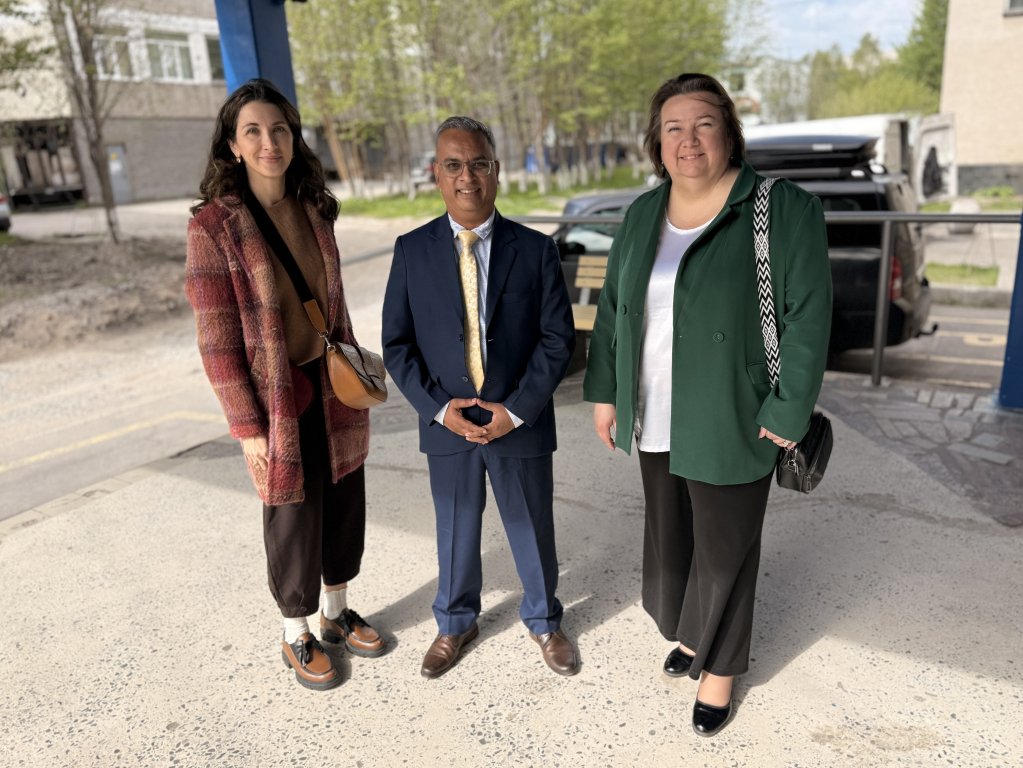
Murmansk Arctic University recently hosted a distinguished visitor — Dr. Anand Kamavisdar, Science Attaché and Advisor on Science and Technology at the Embassy of India in Moscow. The visit aimed to showcase MAU's research infrastructure and explore opportunities for bilateral cooperation with leading Indian universities and research institutes.
For MAU — which has been actively expanding its international scientific partnerships — the visit marked a significant step toward deeper research engagement. Dr. Kamavisdar toured key research units to assess their potential for future collaboration.
The itinerary included:
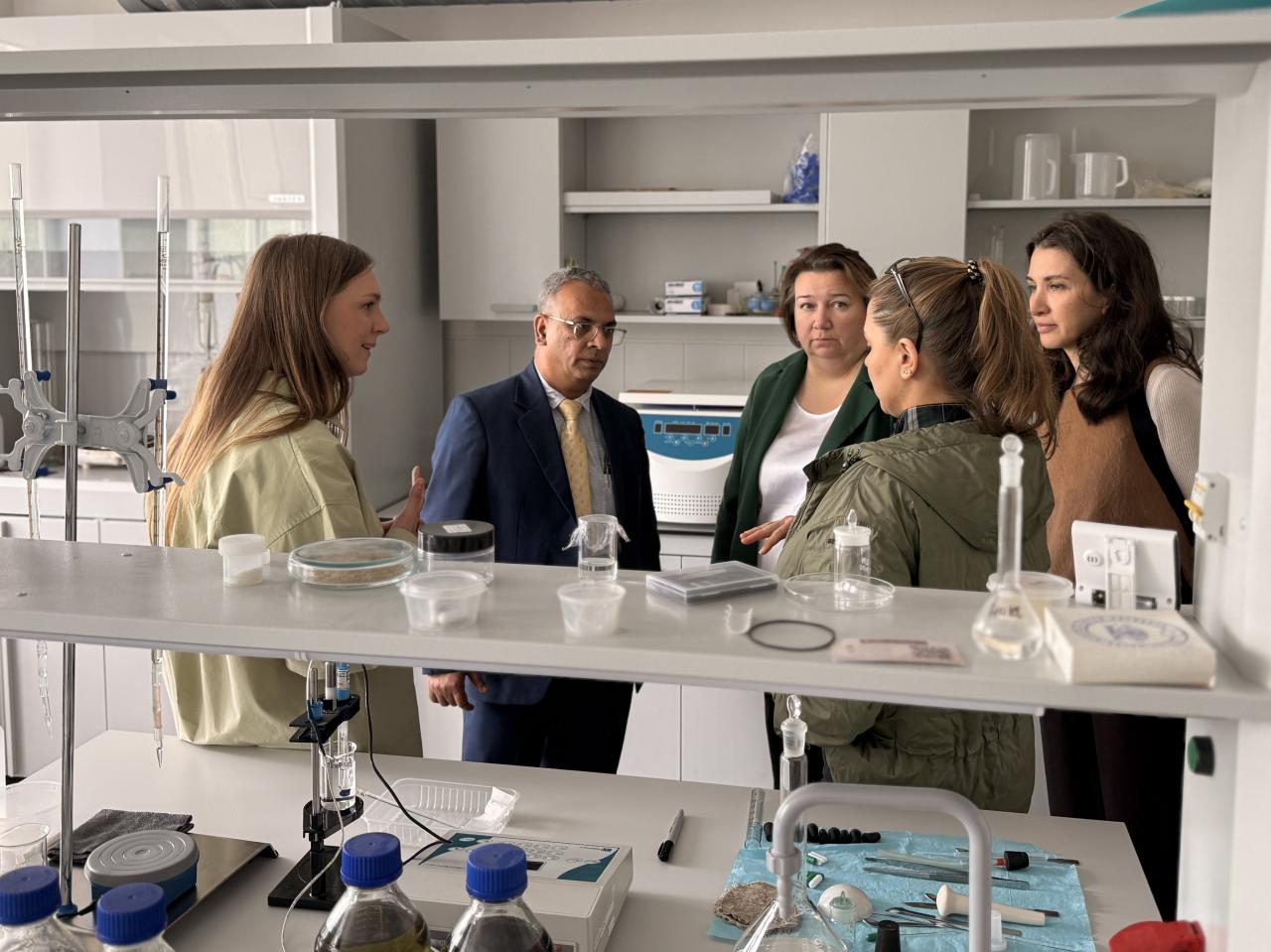
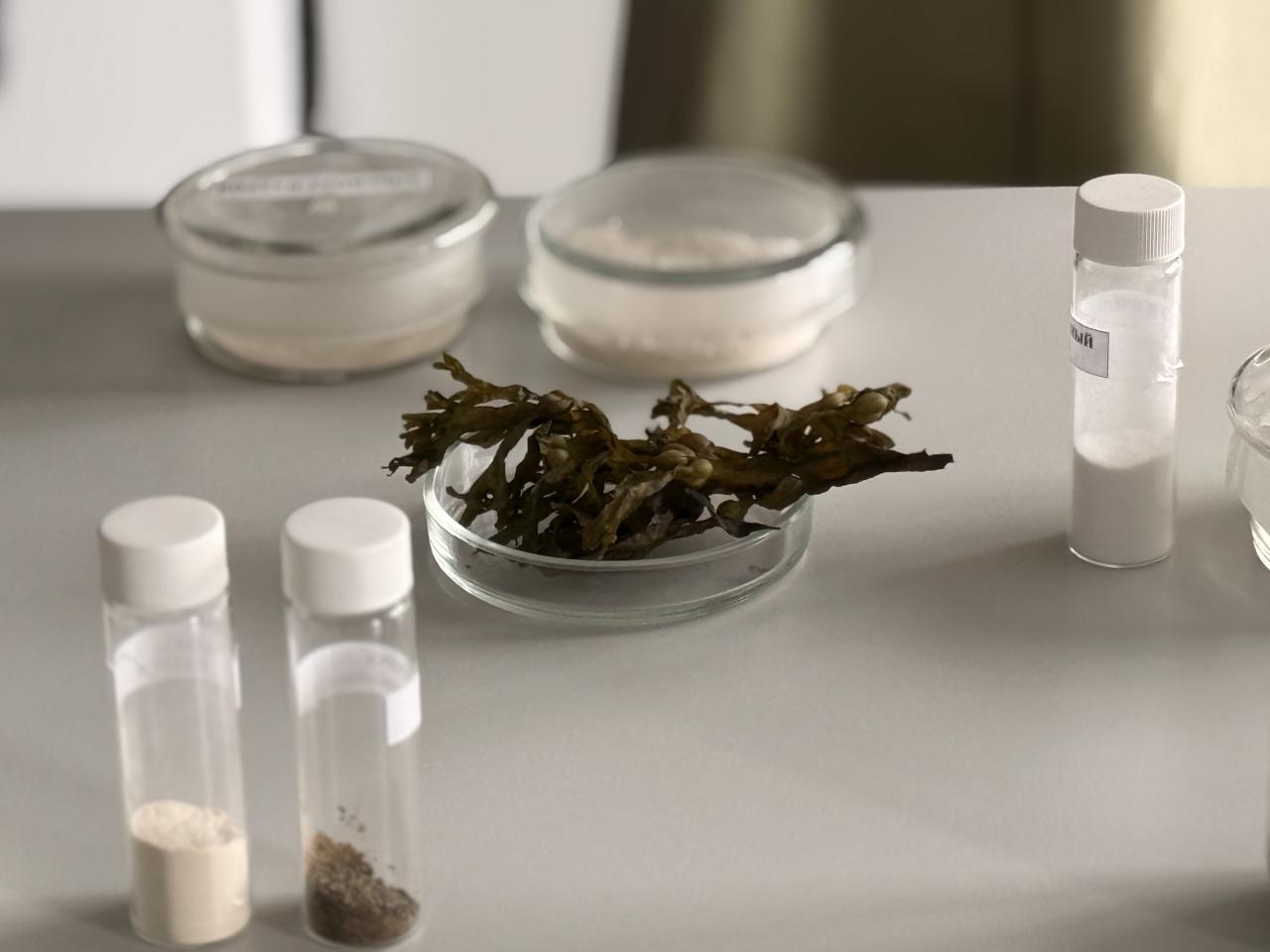
· Research Laboratory «Chemistry and Technology of Marine Bio-resources», where MAU scientists develop advanced methods for processing Arctic biological resources;
· Aquaculture Complex, an experimental facility for sustainable aquaculture practices;
· Research Laboratory «Monitoring and Conservation of Arctic Natural Ecosystems» and
· Medicine and Life Sciences Institute.
Dr. Kamavisdar also prioritised direct conversations with MAU researchers, discussing their methodologies, ongoing projects, and early results to pinpoint opportunities for joint work.
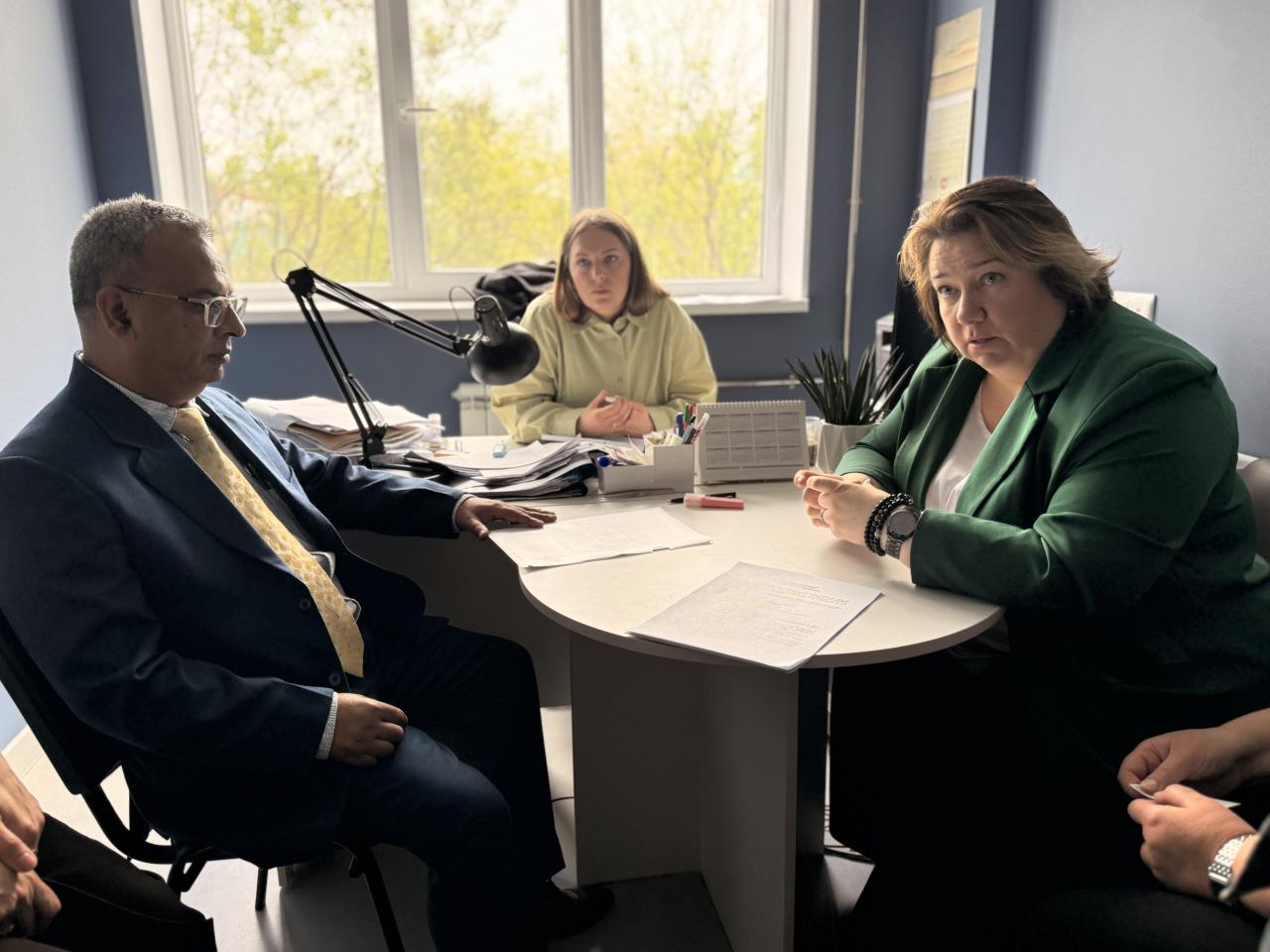
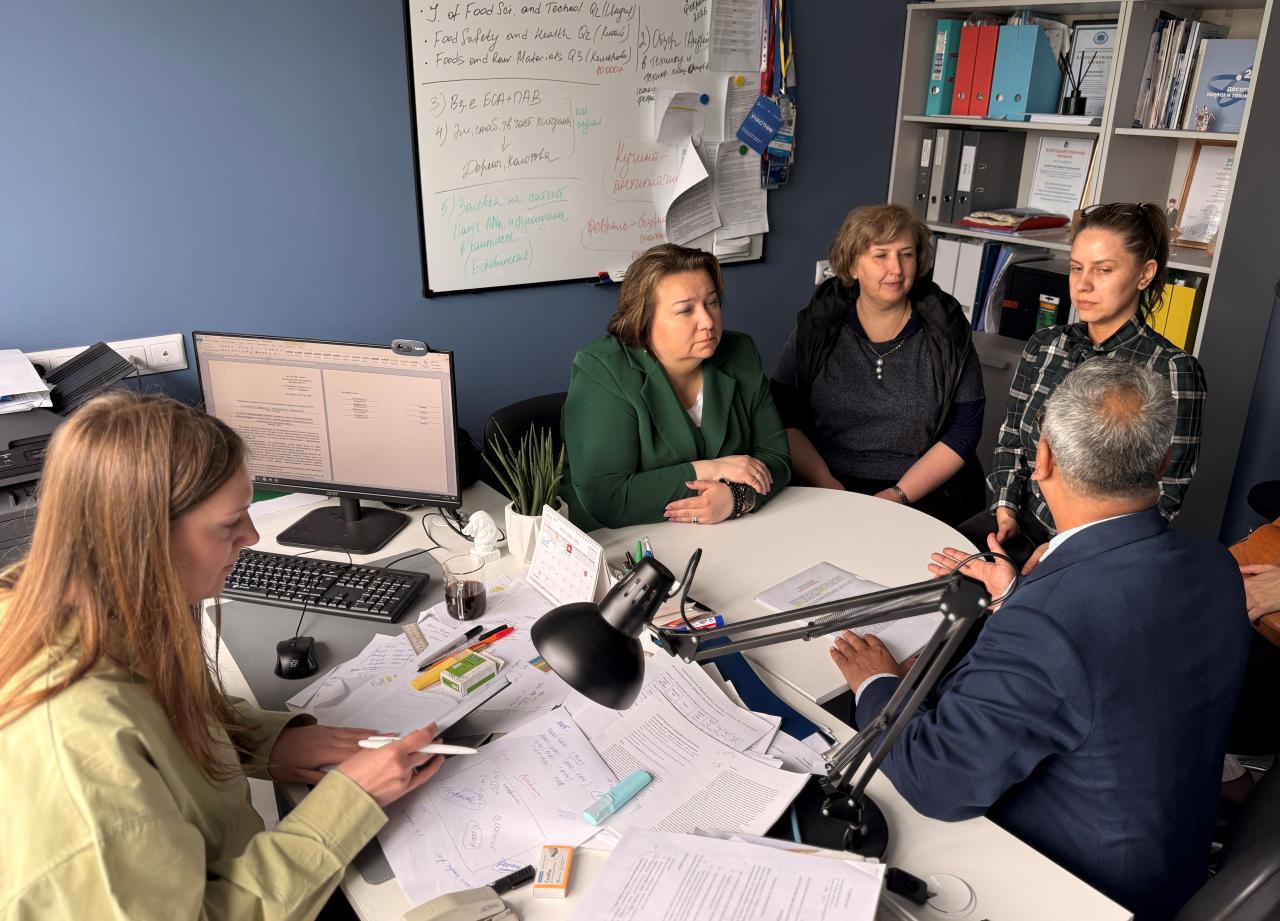
During negotiations, both sides emphasised transitioning to actionable joint research in STEM fields and explored co-applying for grants from India's Department of Science and Technology (DST) and the Russian Science Foundation (RSF), as well as pathways for technology transfer. The talks produced clear intent and next steps: Maria Knyazeva, MAU Acting Rector, confirmed that the parties will prepare initial scientific concept notes within the coming month.
«This meeting is critically important. International scientific cooperation enriches both our research output and educational programmes by integrating new knowledge into our students' training. Indian colleagues represent one of our key strategic partners to this effort. Following today's discussions, we have agreed to submit two to four joint project proposals by the end of June, outlining areas for intensive collaboration,» shared Maria Knyazeva.
MAU views its partnerships with Indian institutions as long-term strategic priority — not merely as a potential funding source, but as a powerful catalyst for modernising education programmes and strengthening research capacity.
For India, cooperating with MAU offers access to specialised Arctic laboratories, high-latitude expertise, and infrastructure essential for climate and sustainability research.